
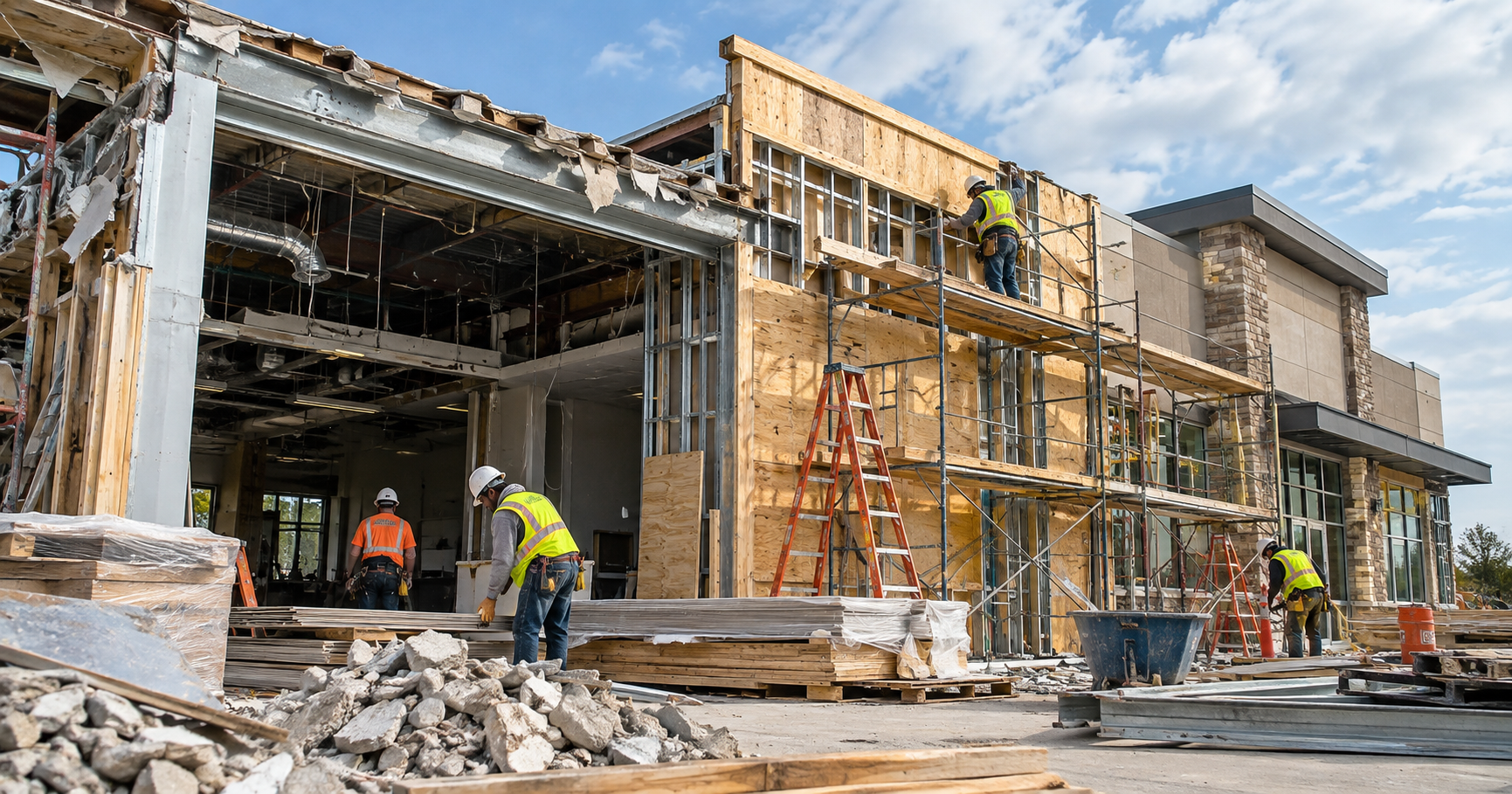
When a commercial property experiences major damage from fire, flooding, storms, or other disasters, business owners face difficult decisions and significant challenges. Beyond repairing the building itself, there are employees to consider, customers to serve, insurance claims to manage, and operations to restore. A well-planned commercial property reconstruction process can help businesses recover more efficiently while minimizing downtime. Understanding the steps involved allows property owners and managers throughout New Jersey to make informed decisions and get back to business with confidence.
Assessing the Extent of the Damage
The first step after a major loss is conducting a thorough assessment of the property. Structural damage, water intrusion, fire damage, smoke contamination, and electrical hazards all need to be carefully evaluated before reconstruction can begin. Professional inspections identify both visible damage and hidden issues that could create long-term problems if left unaddressed. A comprehensive assessment also provides the documentation needed for insurance claims and helps create an accurate reconstruction plan. Understanding the full scope of the damage prevents unexpected delays and additional costs later in the project.
Prioritizing Safety and Stabilization
Before repairs begin, the damaged property must be stabilized to prevent further deterioration. Emergency services such as board-ups, roof tarping, temporary fencing, water extraction, and structural bracing help secure the building and protect it from weather, vandalism, and additional damage. Safety is always the highest priority. Damaged electrical systems, weakened structural components, contaminated materials, and hazardous debris should only be handled by trained professionals using proper safety procedures and equipment.
Working Through the Insurance Process
Commercial insurance claims can be complex, particularly after large-scale damage. Property owners often need to provide detailed documentation, photographs, repair estimates, and inventories of damaged equipment or inventory. Experienced reconstruction contractors often work alongside insurance adjusters throughout the process. Clear communication helps ensure that approved repairs align with the insurance scope while keeping the project moving forward. Staying organized with records, invoices, and correspondence can help reduce delays during claim processing.
Creating a Comprehensive Reconstruction Plan
Every commercial property reconstruction project requires careful planning before work begins. Contractors evaluate structural repairs, building systems, code requirements, accessibility standards, and any upgrades needed during reconstruction. The project schedule should outline each phase of construction while coordinating specialty trades such as electricians, plumbers, HVAC technicians, roofing contractors, and flooring installers. A detailed plan keeps everyone working toward the same timeline and helps minimize disruptions to business operations whenever possible.
Addressing Water and Moisture Damage
Water damage often accompanies fires, severe storms, roof failures, or plumbing emergencies. Even after standing water has been removed, moisture trapped inside walls, insulation, flooring, and structural materials can lead to mold growth and additional deterioration if not properly addressed. Professional drying equipment, moisture monitoring, and selective demolition may be necessary before rebuilding begins. Ensuring the structure is completely dry creates a solid foundation for reconstruction and helps protect the property’s long-term integrity.
Rebuilding Structural Components
Once demolition and mitigation have been completed, reconstruction focuses on restoring the building itself. Depending on the extent of the damage, this may include framing, roofing, exterior walls, windows, doors, insulation, drywall, flooring, ceilings, and interior finishes. Commercial properties often require specialized materials designed for durability and code compliance. Proper workmanship throughout each phase ensures the building remains safe, functional, and prepared to serve employees and customers for years to come.
Restoring Mechanical, Electrical, and Plumbing Systems
Major disasters frequently damage essential building systems. Electrical wiring, plumbing lines, HVAC equipment, fire suppression systems, security systems, and communication networks may all require repair or replacement before the property can reopen. Licensed professionals inspect every system to verify proper operation and compliance with current building codes. Modernizing outdated equipment during reconstruction may also improve energy efficiency, reliability, and overall building performance.
Meeting Current Building Codes
Building codes often change over time, meaning reconstruction projects may require upgrades beyond simply replacing damaged materials. Fire safety improvements, accessibility features, energy-efficient construction practices, and updated electrical or plumbing systems may all be necessary to satisfy current regulations. Working with knowledgeable reconstruction professionals helps ensure permits are obtained properly, inspections are completed successfully, and every aspect of the project complies with local and state requirements.
Minimizing Business Downtime
One of the biggest concerns for commercial property owners is reducing the amount of time the business remains closed. Careful scheduling, efficient project management, and clear communication help reconstruction move forward without unnecessary delays. In some situations, reconstruction can be completed in phases, allowing portions of the building to reopen while work continues elsewhere. Coordinating deliveries, subcontractors, inspections, and approvals keeps the project progressing as efficiently as possible.
Preparing for Future Emergencies
Reconstruction presents an opportunity to improve the property’s resilience against future disasters. Upgrading roofing materials, improving drainage systems, installing backup power solutions, enhancing fire protection, and selecting more durable building materials can reduce future risks. Business owners should also review emergency response plans, update insurance coverage, back up important business records, and establish disaster recovery procedures to strengthen preparedness moving forward.
Partnering With an Experienced Reconstruction Team
Commercial property reconstruction involves far more than replacing damaged materials. Successful recovery requires careful coordination, technical expertise, quality craftsmanship, and ongoing communication throughout every stage of the project. Choosing a contractor experienced with commercial restoration and reconstruction helps ensure work is completed safely, efficiently, and according to industry standards.
Whether your New Jersey business has experienced fire damage, flooding, storm destruction, or another major loss, working with qualified reconstruction professionals can make the recovery process far less overwhelming. With the right team managing every phase of reconstruction, property owners can restore their buildings, reopen their businesses, and move forward with confidence after even the most challenging events.