
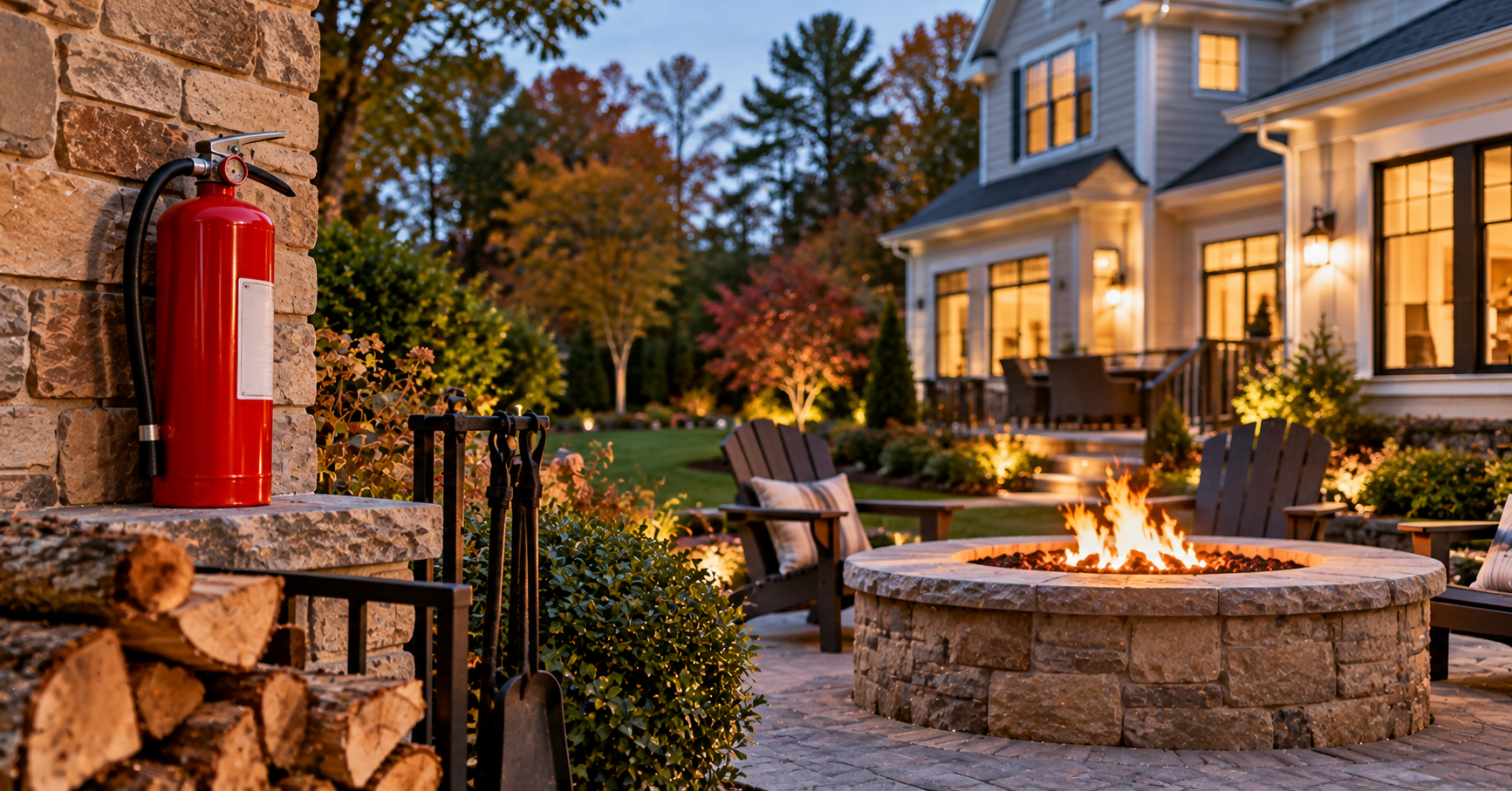
Fire Prevention Week is an annual reminder that a few simple safety measures can significantly reduce the risk of devastating fires. Every year, home and business owners have the opportunity to review their fire prevention practices, inspect safety equipment, and educate family members or employees about emergency procedures. In New Jersey, where residential neighborhoods, commercial buildings, and industrial facilities all face unique fire hazards, taking proactive steps can help protect lives and property. Whether you own a home, manage a business, or oversee a commercial facility, these fire safety tips can help you prepare before an emergency occurs.
Test Smoke Alarms Regularly
Smoke alarms are one of the most important tools for protecting lives during a fire. Working smoke detectors provide early warning, giving occupants valuable time to evacuate safely. Every home and business should have smoke alarms installed in appropriate locations, including bedrooms, hallways, offices, and common areas. Test smoke alarms monthly and replace batteries as recommended by the manufacturer. If an alarm is more than ten years old, it should typically be replaced entirely to ensure dependable performance.
Install and Maintain Fire Extinguishers
Portable fire extinguishers can stop small fires from becoming much larger emergencies when used properly. Homes should have at least one easily accessible fire extinguisher, especially in kitchens, garages, and workshops. Businesses often require multiple extinguishers based on building size and occupancy. Inspect extinguishers regularly to verify that pressure levels remain within the recommended range and that they have not expired. Everyone in the household or workplace should understand how to operate them safely.
Practice Safe Cooking Habits
Cooking remains one of the leading causes of residential fires. Many kitchen fires begin when food is left unattended or flammable materials are placed too close to heat sources. Staying in the kitchen while cooking, keeping stovetops clear of towels and paper products, and turning pot handles inward can help reduce the risk of accidents. Grease fires should never be extinguished with water. Instead, cover the pan with a lid if it is safe to do so or use an appropriate fire extinguisher designed for kitchen fires.
Inspect Electrical Systems
Electrical problems are another common cause of fires in both homes and businesses. Frayed wiring, overloaded outlets, damaged extension cords, and outdated electrical panels can all increase fire risk. Have a licensed electrician inspect older electrical systems periodically, especially if you notice flickering lights, warm outlets, or frequently tripped breakers. Avoid plugging multiple high-powered appliances into the same outlet, and replace damaged cords immediately.
Develop an Emergency Escape Plan
Every household and business should have a clearly defined fire evacuation plan. Family members and employees should know at least two ways to exit the building and understand where to meet once they are safely outside. Practice fire drills regularly so everyone knows what to do in an emergency. Businesses should also designate individuals responsible for assisting visitors or anyone who may need additional help during an evacuation.
Keep Heating Equipment Safe
As temperatures begin to cool during the fall and winter months, heating equipment becomes a greater fire concern. Space heaters should always be kept several feet away from furniture, curtains, bedding, and other combustible materials. They should also be placed on stable, level surfaces and turned off whenever the room is unattended. Fireplaces, furnaces, and chimneys should be inspected and cleaned regularly to remove debris and reduce the risk of dangerous chimney fires or equipment malfunctions.
Store Flammable Materials Properly
Many homes and businesses keep flammable liquids such as gasoline, paint thinners, solvents, and cleaning chemicals on the property. These products should always be stored in approved containers away from heat sources, open flames, and direct sunlight. Businesses should follow all applicable storage regulations and maintain proper ventilation in areas where combustible materials are stored or used.
Reduce Fire Risks Outside Your Property
Fire prevention extends beyond the interior of your building. Keep leaves, dry vegetation, and other combustible debris away from structures whenever possible. Maintain grills safely by keeping them away from siding, decks, fences, and overhanging tree branches. Outdoor electrical lighting should be inspected periodically for damaged wiring, and extension cords should only be used temporarily rather than as permanent power sources.
Protect Important Documents and Valuables
Although preventing fires is the primary goal, preparing for the unexpected is equally important. Store important documents such as insurance policies, property records, identification, and financial information in a fire-resistant safe or secure off-site location. Businesses should also maintain secure digital backups of critical records to minimize disruption if fire damage occurs. Having documentation readily available can simplify insurance claims and speed up the recovery process.
Know What to Do After a Fire
Even small fires can leave behind extensive smoke, soot, and water damage. Once everyone is safely evacuated and emergency responders have secured the property, avoid entering the building until it has been declared safe. Professional fire damage restoration companies can assess structural damage, remove soot and smoke residue, eliminate odors, and begin the cleanup process. Fast restoration helps prevent additional deterioration while supporting a quicker return to normal operations.
Fire Prevention Starts With Everyday Awareness
Fire Prevention Week serves as an excellent reminder that fire safety is an ongoing responsibility rather than a once-a-year task. Regular maintenance, routine inspections, proper equipment, and emergency planning all contribute to safer homes and workplaces throughout New Jersey.
By taking proactive steps today, homeowners and business owners can reduce fire risks, protect their families, employees, and customers, and minimize the potential for costly property damage. Investing a little time in fire prevention now can make all the difference if an emergency ever occurs, helping create a safer environment for everyone throughout the year.