
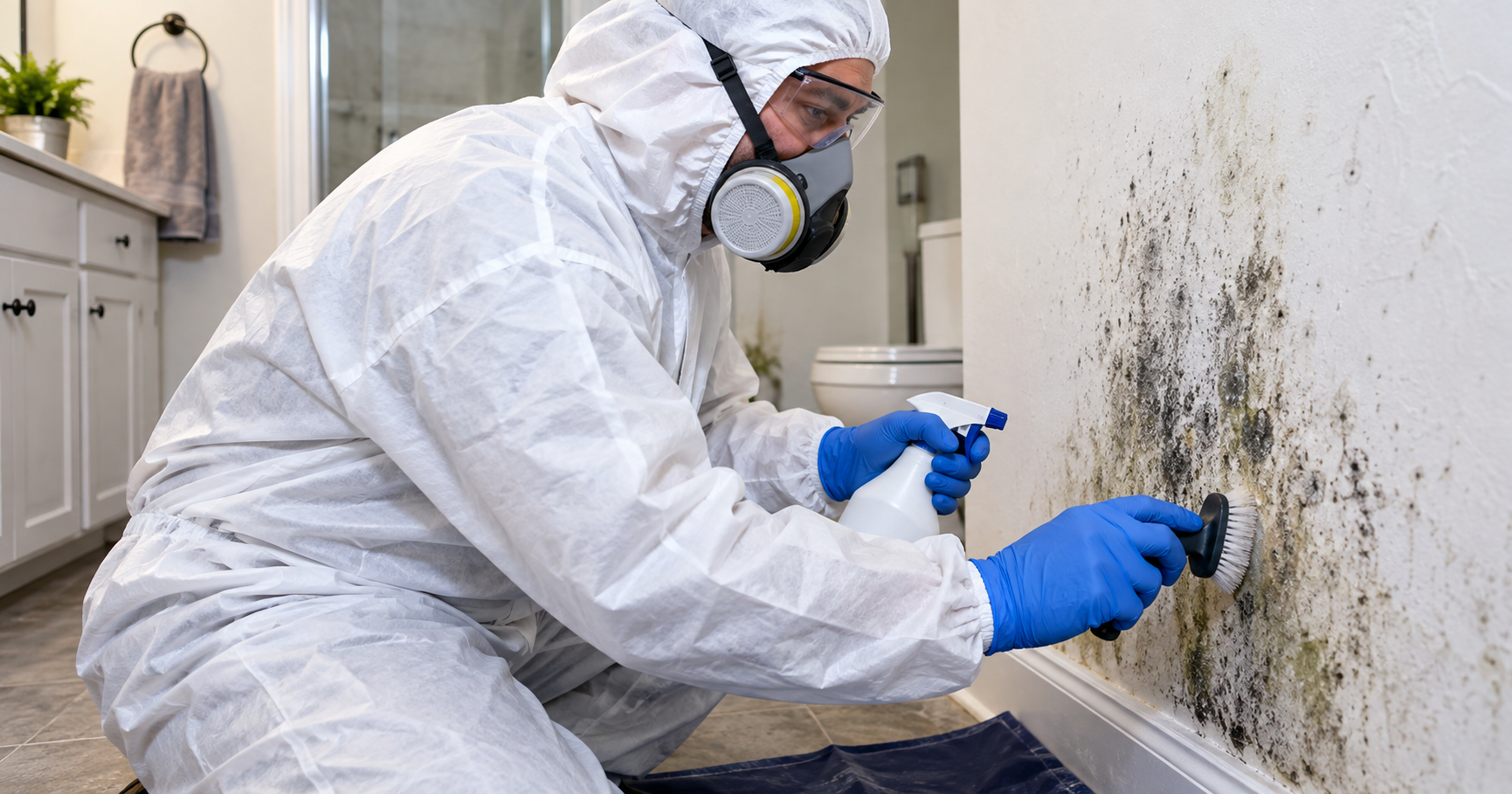
A musty odor inside your home is never something to ignore. While the smell doesn’t always mean mold is present, it often indicates excess moisture, hidden water damage, or conditions that allow mold to grow. Homes throughout New Jersey and Pennsylvania experience humid summers, heavy rain, snow, and seasonal temperature changes that can all contribute to moisture problems. Knowing how to recognize the signs of mold and taking action quickly can help protect both your home and your family’s health while preventing more extensive property damage.
What Causes a Musty Smell?
A musty smell is usually caused by mold or mildew growing in damp areas where moisture has lingered. Mold releases tiny compounds into the air as it grows, creating the earthy, stale odor many homeowners recognize. Even if mold isn’t immediately visible, the smell may indicate growth behind walls, beneath flooring, inside insulation, or within crawl spaces and basements.
Other sources of musty odors can include damp carpeting, wet building materials, or poor ventilation. Regardless of the exact cause, persistent odors should always be investigated rather than simply covered up with air fresheners.
Common Places Mold Hides
Mold doesn’t always grow in plain sight. In many cases, it develops in hidden areas where moisture collects over time. Basements, crawl spaces, attics, utility rooms, laundry rooms, and bathrooms are some of the most common problem areas.
Leaks around windows, roofs, plumbing fixtures, and appliances can also create ideal conditions for mold growth inside walls or under flooring. HVAC systems and air ducts may even circulate mold spores throughout the home if moisture develops inside the system.
Signs That Mold May Be Present
A musty smell is one warning sign, but it’s often accompanied by other indicators. Visible discoloration on walls or ceilings, peeling paint, warped flooring, bubbling drywall, and recurring condensation may all point to excess moisture and possible mold growth.
You may also notice dark spots around vents, windows, or bathroom fixtures. In some cases, mold appears white, green, brown, or even orange depending on the material it’s growing on and the environmental conditions.
Water Damage Often Leads to Mold
One of the biggest contributors to mold growth is untreated water damage. Roof leaks, burst pipes, overflowing appliances, basement flooding, and storm damage can all leave moisture trapped inside building materials.
Mold can begin growing within 24 to 48 hours after water exposure if affected materials are not thoroughly dried. That’s why prompt water removal and professional drying are so important after any leak or flood. Addressing water damage quickly greatly reduces the chances of widespread mold growth.
Health Symptoms That May Be Connected
Although reactions vary from person to person, mold exposure can contribute to allergy-like symptoms in some individuals. Sneezing, coughing, nasal congestion, watery eyes, throat irritation, and skin irritation are among the most commonly reported symptoms.
People with asthma, allergies, weakened immune systems, or certain respiratory conditions may be more sensitive to mold exposure. If household members experience symptoms that seem to improve when away from home, it may be worth investigating whether hidden moisture or mold is contributing to the problem.
Why You Shouldn’t Ignore the Odor
Some homeowners become accustomed to a musty smell over time and assume it’s simply part of living in an older house. Unfortunately, ignoring the odor allows the underlying problem to continue. Mold may spread into additional areas, moisture can weaken building materials, and repair costs often increase the longer the issue goes unresolved.
Even if the odor seems minor, identifying the source early can prevent much larger restoration projects later.
What You Should Do if You Suspect Mold
If you notice a persistent musty smell, begin by looking for obvious signs of moisture. Check around sinks, appliances, windows, basements, and attics for leaks or water stains. If you recently experienced flooding or a plumbing issue, inspect those affected areas carefully.
Avoid disturbing visible mold growth, as doing so may release additional spores into the air. Instead, contact a professional restoration or mold remediation company that can properly assess the situation and recommend the appropriate next steps.
The Importance of Professional Mold Inspection
Hidden mold often requires specialized equipment to locate. Professional inspectors may use moisture meters, thermal imaging cameras, and other tools to identify damp areas behind walls or under flooring without unnecessary demolition.
A thorough inspection helps determine the extent of the problem, identify the moisture source, and develop an effective remediation plan. Addressing both the mold and the underlying moisture issue is essential for preventing future growth.
Preventing Mold in Your Home
The best defense against mold is controlling moisture. Repair plumbing leaks promptly, maintain your roof and gutters, and ensure proper drainage around your home’s foundation. Use exhaust fans in bathrooms and kitchens to reduce humidity, and consider running a dehumidifier in damp areas like basements.
Regular HVAC maintenance, proper attic ventilation, and prompt cleanup after water damage also play important roles in preventing mold from developing. Even small maintenance tasks can make a significant difference over time.
Restore a Healthy Home Environment
A musty smell is often your home’s way of signaling that something needs attention. Whether the source is hidden mold, excess humidity, or lingering water damage, taking action quickly helps protect your property and your indoor air quality.
For homeowners in New Jersey and Pennsylvania, professional restoration and mold remediation services provide the expertise needed to locate hidden moisture, safely remove mold, and restore affected areas. By addressing the problem early, you can prevent additional damage, improve your home’s comfort, and enjoy greater peace of mind knowing your living environment is clean, dry, and healthy.