
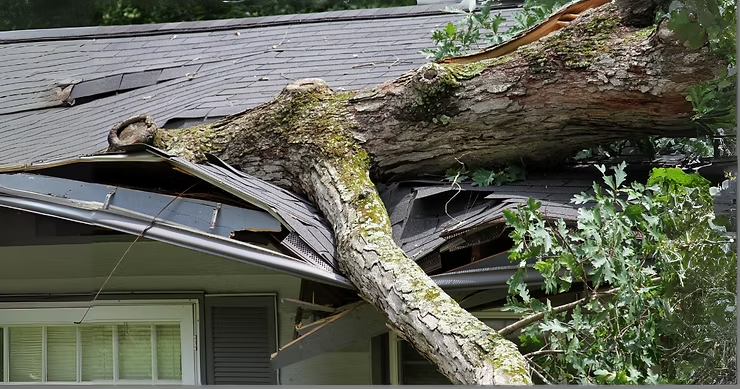
Severe storms can leave behind a wide range of property damage, from missing shingles and fallen trees to flooding, broken windows, and structural issues. Once the weather has passed and it is safe to go outside, documenting the damage should be one of your first priorities. Thorough records can make the insurance claims process smoother and help ensure you receive the compensation needed to restore your property. For homeowners and business owners throughout New Jersey and Eastern Pennsylvania, understanding what to document after a storm can save valuable time and reduce unnecessary stress.
Prioritize Safety Before Inspecting Your Property
Before assessing any storm damage, make sure the area is safe to enter. Stay away from downed power lines, damaged utility equipment, unstable trees, and structures that appear unsafe. If your property has suffered significant damage, wait for emergency responders or utility companies to declare the area safe before beginning your inspection.
Once conditions allow, carefully walk around the exterior of your property and inspect the interior for signs of damage. If you believe your home or business has sustained structural damage, limit access until it has been evaluated by qualified professionals.
Take Wide and Close-Up Photos
Photographs provide some of the strongest evidence for an insurance claim. Start by taking wide-angle pictures that show the overall condition of your property and the surrounding area. Then take close-up images of each damaged section to highlight specific issues.
Photograph damaged roofing materials, broken siding, shattered windows, fallen fencing, water intrusion, damaged landscaping, detached gutters, and any debris caused by the storm. Inside the building, document water stains, ceiling damage, flooring issues, damaged furniture, and affected personal belongings. Capture images from multiple angles whenever possible.
Record Videos of the Entire Property
While photos are extremely helpful, videos provide additional context by showing the full extent of the damage. Slowly walk through your property while recording, explaining what you’re seeing as you move from one damaged area to another.
Narrating the video allows you to point out details that may not be immediately obvious in still photographs. Videos can also document the condition of multiple rooms or large outdoor areas more efficiently than individual pictures.
Create a Detailed Written Inventory
Along with visual documentation, prepare a written inventory of everything affected by the storm. Include damaged structural components, outdoor features, appliances, electronics, furniture, and personal belongings.
For each item, record as much information as possible, including:
- The item or damaged area
- Estimated age
- Original purchase price, if known
- Approximate replacement cost
- Description of the damage
- Serial numbers for appliances or electronics when available
Having an organized inventory helps support your claim and provides insurance adjusters with valuable information.
Document Roof and Exterior Damage Carefully
Roof damage is one of the most common insurance claims following severe storms throughout New Jersey and Eastern Pennsylvania. Even if damage appears minor from the ground, missing shingles, lifted flashing, hail impacts, or fallen tree limbs can lead to water intrusion if left unaddressed.
Only inspect the roof from the ground unless it is completely safe to do otherwise. A professional roofing contractor can perform a more detailed inspection and identify hidden damage that may not be visible to homeowners.
Don’t forget to document gutters, downspouts, siding, decks, patios, garages, sheds, fences, and other outdoor structures that may have been affected.
Look for Signs of Water Damage Inside
Water often enters a building through damaged roofing, windows, doors, or foundation cracks after a storm. Even small leaks can lead to mold growth and costly structural damage if not addressed quickly.
Look for stained ceilings, damp insulation, peeling paint, bubbling drywall, warped flooring, and musty odors. Photograph each affected area before beginning cleanup or repairs whenever possible. The more complete your documentation, the easier it becomes to demonstrate the extent of the damage.
Save Receipts for Emergency Repairs
Insurance companies generally encourage property owners to take reasonable steps to prevent additional damage after a storm. Temporary repairs, such as placing tarps over damaged roofs or boarding up broken windows, can help protect your property until permanent repairs are made.
Keep receipts for emergency supplies, temporary repairs, hotel stays if displacement is necessary, equipment rentals, and any other storm-related expenses. These costs may be reimbursable depending on your insurance policy.
Avoid Throwing Away Damaged Items Too Soon
Although it may be tempting to begin cleaning immediately, avoid disposing of damaged materials or belongings until your insurance company has had an opportunity to inspect them or advises that disposal is acceptable.
If removal is necessary for safety reasons, take detailed photographs beforehand and keep samples whenever practical. This documentation may become important if questions arise during the claims process.
Work With Qualified Restoration Professionals
After documenting the damage, contact experienced restoration contractors who can provide a thorough inspection and begin mitigation services quickly. Water extraction, structural drying, debris removal, roof tarping, and emergency board-up services can prevent additional damage while your insurance claim moves forward.
Professional restoration companies often work directly with insurance adjusters, providing detailed estimates and documentation that help streamline repairs and reduce delays.
Stay Organized Throughout the Claims Process
Maintaining organized records throughout your insurance claim can make the process much easier. Create a folder containing photographs, videos, repair estimates, receipts, insurance correspondence, inspection reports, and notes from phone conversations. Record the names of adjusters, claim representatives, contractors, and anyone else involved in your claim.
Good organization allows you to respond quickly if additional information is requested and helps ensure nothing important is overlooked.
Be Prepared Before the Next Storm
Storms cannot be prevented, but preparation can reduce stress when severe weather strikes. Keeping updated photos of your property before storm season, reviewing your insurance coverage annually, and knowing who to call for emergency restoration services can help you respond more confidently when damage occurs.
For property owners across New Jersey and Eastern Pennsylvania, careful documentation after a storm is one of the most important steps toward a successful insurance claim. By taking clear photographs, recording videos, keeping detailed records, and working with experienced restoration professionals, you can protect your investment and begin the recovery process with greater peace of mind.