
Heavy summer rainstorms are common throughout New Jersey and Eastern Pennsylvania, and while they can provide much-needed relief from the heat, they can also create serious plumbing issues. One of the most frustrating problems homeowners face after periods of intense rainfall is a sewer line backup. When wastewater has nowhere to go, it can back up into drains, tubs, toilets, and even finished basements, leading to costly repairs and significant health hazards. Understanding why these backups happen, recognizing the warning signs, and taking preventive measures can help protect your home and give you peace of mind during storm season.
Why Heavy Rain Can Cause Sewer Line Backups
During periods of heavy rainfall, municipal sewer systems can become overwhelmed by the large volume of stormwater entering the system. Older infrastructure found throughout many communities in New Jersey and Eastern Pennsylvania may struggle to handle the increased flow. As pressure builds inside the sewer system, wastewater may have difficulty flowing away from your home, increasing the likelihood of a backup.
In addition to overloaded public sewer systems, excessive rainfall saturates the ground surrounding underground sewer pipes. This additional pressure can expose existing weaknesses such as cracks, loose joints, or deteriorating pipe sections, allowing groundwater to enter the line or causing the pipe to collapse.
Tree Roots Become More Aggressive After Rain
Large trees provide shade and beauty, but their root systems often seek out moisture underground. Following periods of heavy rain, tree roots continue searching for water sources and can invade tiny openings in aging sewer pipes. Once inside the line, roots continue to grow, creating blockages that restrict wastewater flow.
Over time, these root intrusions collect grease, paper products, and other debris, eventually creating complete obstructions. Professional sewer camera inspections can identify root problems before they develop into expensive emergencies.
Common Signs of a Sewer Line Problem
Many homeowners notice warning signs before a complete sewer line backup occurs. Paying attention to these symptoms allows you to schedule repairs before serious damage develops.
Some common indicators include:
- Multiple drains emptying slowly throughout the home
- Gurgling sounds coming from sinks, toilets, or tubs
- Water backing up into showers or floor drains
- Frequent toilet clogs affecting several bathrooms
- Unpleasant sewage odors inside or outside the home
- Wet patches or unusually lush grass above the sewer line
If several plumbing fixtures begin acting strangely after a major storm, it’s important to contact a professional plumber promptly.
Aging Sewer Lines Are Especially Vulnerable
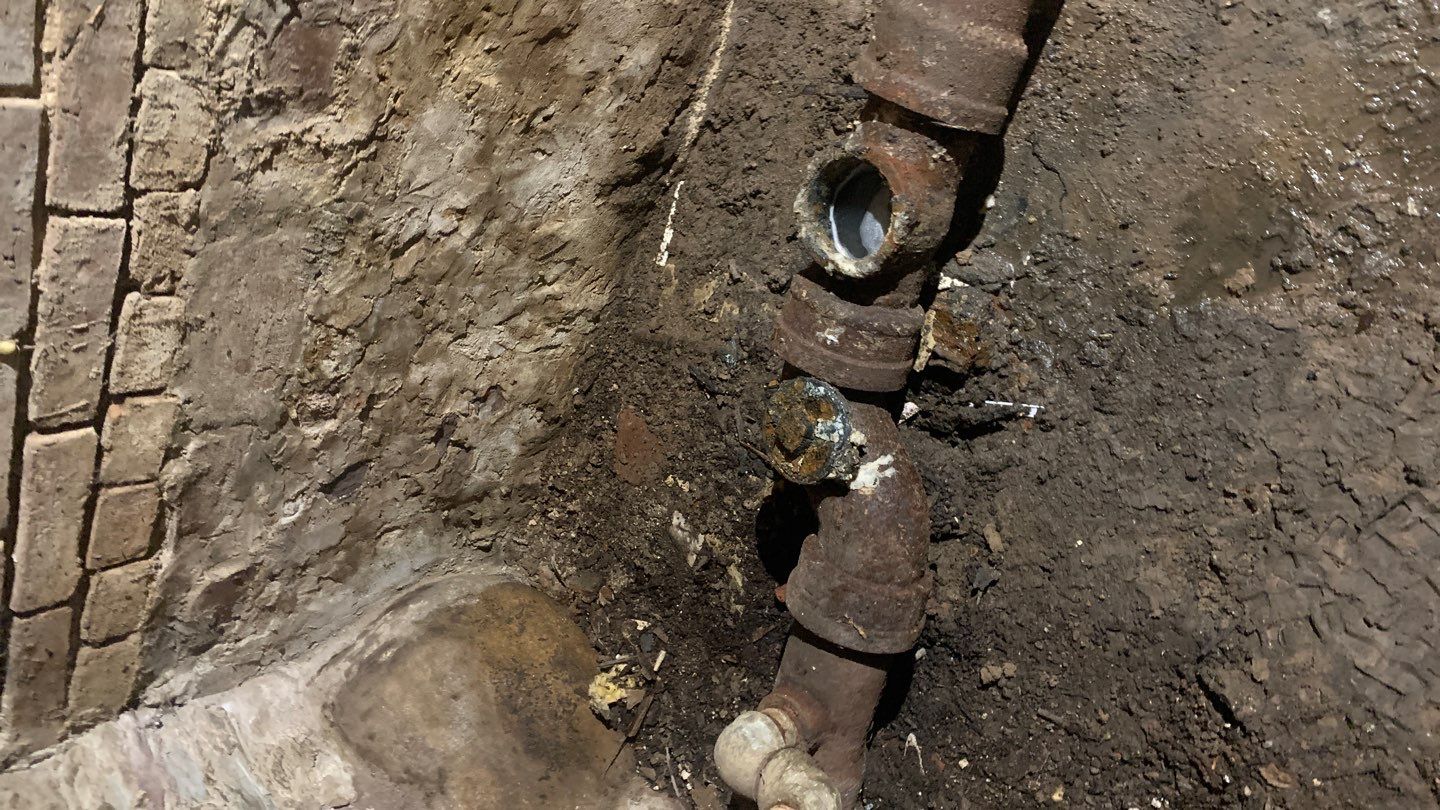
Many neighborhoods throughout New Jersey and Eastern Pennsylvania contain homes built decades ago. Older sewer systems may consist of clay, cast iron, or Orangeburg piping, all of which become more susceptible to deterioration as they age.
Heavy rainfall can expose weaknesses that have developed over many years. Pipe corrosion, shifting soil, joint separation, and ground movement all increase the risk of sewer failure during periods of excessive precipitation. Replacing aging sewer lines before they fail completely can prevent emergency repairs and significant property damage.
Stormwater Drainage Plays an Important Role
Improper drainage around your property contributes to sewer problems more than many homeowners realize. When rainwater pools around your foundation, it increases pressure on underground plumbing systems while allowing additional groundwater to infiltrate damaged sewer pipes.
Proper grading, clean gutters, functional downspouts, and effective drainage systems help direct water away from your home’s foundation. Reducing standing water decreases stress on underground utilities while helping protect basements from flooding.
Sewer Camera Inspections Identify Hidden Problems
Modern sewer camera technology has transformed the way plumbing professionals diagnose underground issues. Instead of excavating your yard to locate a problem, technicians can insert a waterproof camera into the sewer line to inspect its condition in real time.
Camera inspections can identify:
- Tree root intrusion
- Pipe cracks and fractures
- Collapsed pipe sections
- Grease buildup
- Misaligned joints
- Foreign object blockages
Accurate diagnostics allow plumbers to recommend the most appropriate repair while minimizing unnecessary excavation and reducing repair costs.
Preventative Maintenance Saves Money
Routine sewer line maintenance is often far less expensive than dealing with an emergency backup. Scheduling periodic inspections and cleanings helps keep wastewater flowing properly while identifying developing issues before they become major problems.
Homeowners can also reduce the risk of blockages by avoiding flushing wipes, paper towels, feminine hygiene products, grease, cooking oils, and other materials that should never enter the sewer system. Small habits can significantly extend the life of your plumbing system.
Know What to Do During a Sewer Backup
If sewage begins backing up into your home, acting quickly can reduce damage and improve safety. Stop using all plumbing fixtures immediately to prevent additional wastewater from entering the home. Avoid contact with contaminated water, as sewage contains harmful bacteria and pathogens.
If safe to do so, turn off electricity to affected areas if water is approaching electrical outlets or appliances. Contact a licensed plumbing professional as soon as possible to diagnose the issue and begin repairs. If flooding is extensive, professional water damage restoration may also be necessary to safely clean and disinfect the affected areas.
Protect Your Home Before the Next Storm
Summer storms are unavoidable, but sewer backups don’t have to be. Preventative inspections, routine maintenance, and prompt repairs can significantly reduce your chances of experiencing a costly plumbing emergency. Whether your home has an older sewer line, mature trees on the property, or a history of drainage issues, taking proactive steps now can prevent expensive repairs later.
Working with an experienced plumbing professional allows you to identify vulnerabilities before severe weather strikes. With proper maintenance and timely upgrades, your sewer system will be better prepared to handle heavy rainfall, protecting your home, your family, and your investment throughout every storm season.